
Masta
Horse Rugs

Fifty years. Thousands of horses. One commitment to quality.
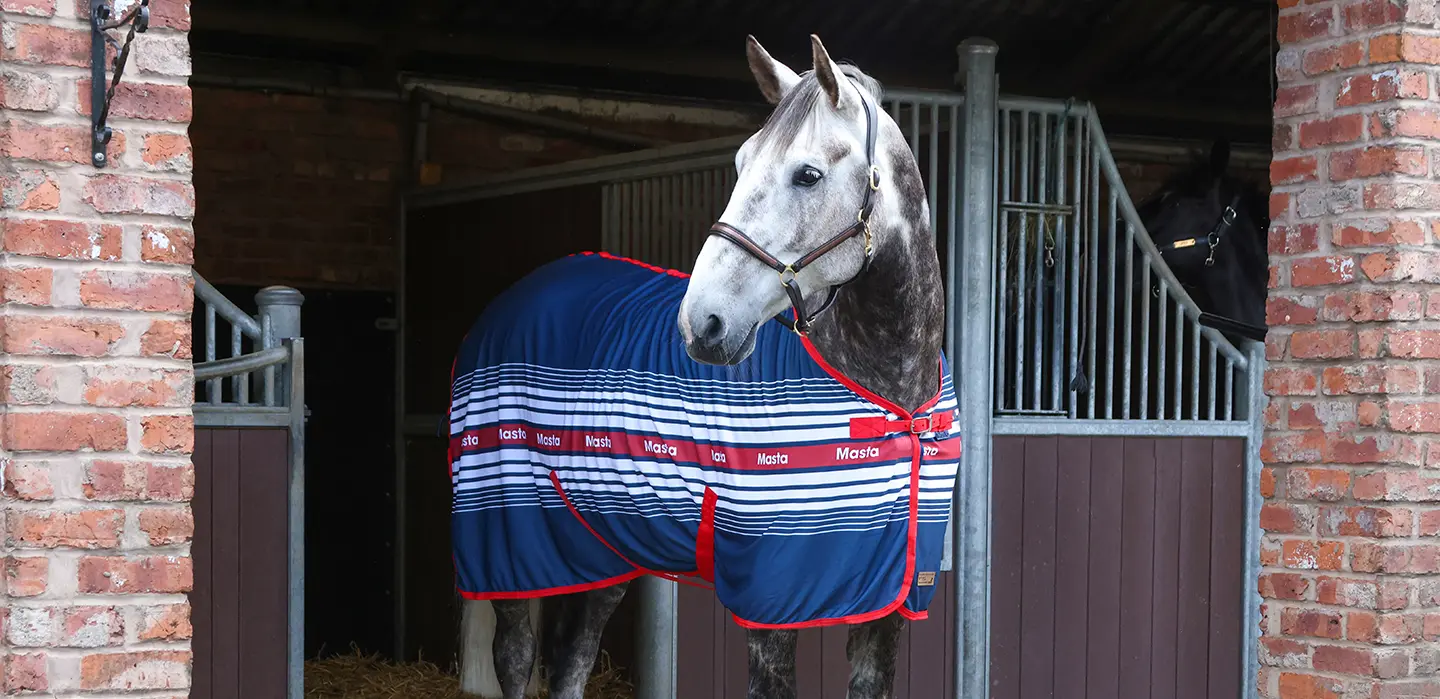
Since 1976, Masta has been the trusted name in horse rugs and horsewear. Built by horse owners, tested in the real world, and designed to last. From lightweight fly rugs to heavyweight turnouts, therapy rugs to horsewear, every product in the Masta range is engineered to perform to the highest standards, at an affordable price.
Whatever your horse's shape, size, or needs - there is a Masta rug for every horse.
50 years
of Masta
9 in 10 horse owners struggle with at least one rug problem — fit, slipping, rubbing, leaking, ruined manes. We've spent fifty years solving them, so every horse gets the care they deserve. Protection that's proven, accessible, and designed to perform.
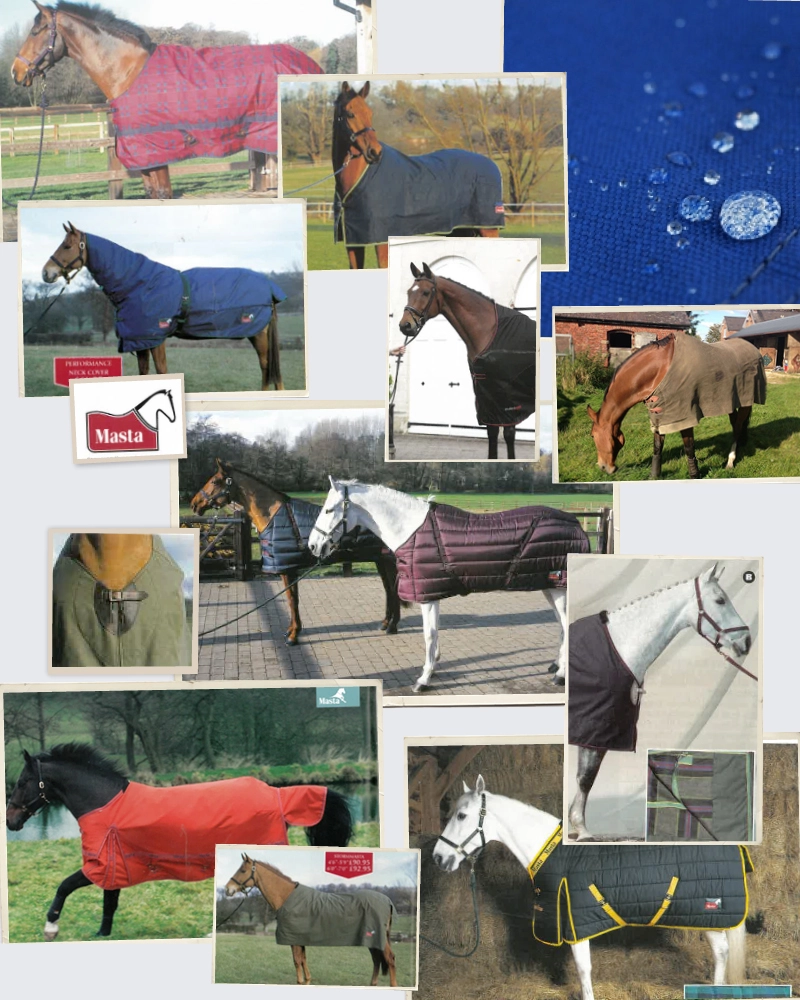
1976 — Founded
Waxed New Zealand turnout rugs and the Coolmasta cooler rug
1997 — Stormmasta
First waterproof breathable membrane turnout rug
1999 — Turnoutmasta
First printed pattern turnout rug in the iconic check design
2005 — Tri-Vent
Tri-vent shoulder gusset for greater freedom of movement
2016 — Fieldmasta
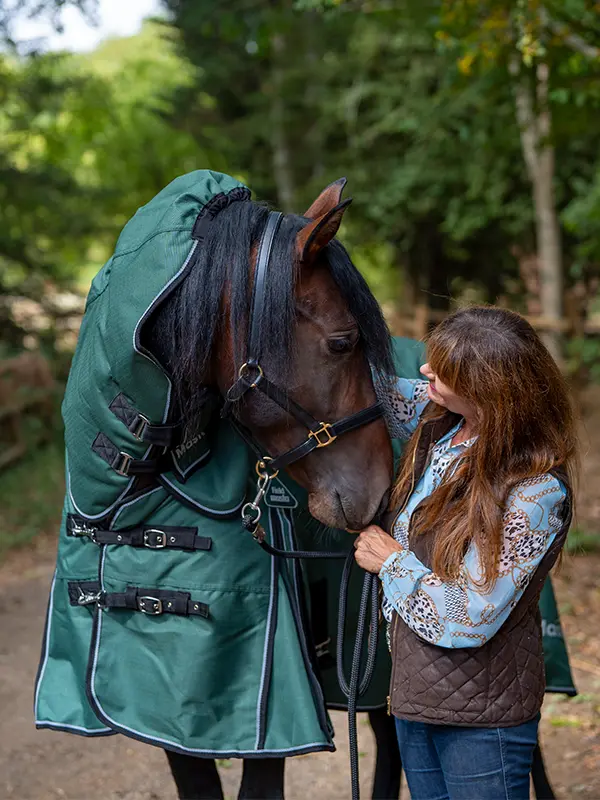
BETA Award-winning dome neck design prevents mane loss
2017 — Protechmasta
BETA Award-winning far-infrared therapy range launches
2018 — Ventomasta
Quality rugs horse owners can trust at an affordable price
2026 — 50th Birthday
Icons Collection, VentoPlus launch and Turnoutmasta refit
Jacky N
★★★★★As always, perfect fit, well made and excellent value
Sarah T
★★★★★Fabulous rug at a great price. Fits my horse really well, rights itself after rolling, looks good. Very pleased bought another heavy one as so pleased.
Max R
★★★★★I absolutely love the Fieldmasta range I have 3 very different shape horses from the thin and tall to the very tall and wide and the little and round these rugs just fit! They don't rub they come in all weights that you need are all great quality. I now don't buy another turnouts
Barbara A
★★★★★I love the Fieldmasta range, such a great fit for my 16 hand Irish Draft x. She has been susceptible to mane loss with other rugs, but not with this one, love the dome neck. I have 4 of these rugs now all in different weights.
Catriona
★★★★★Excellent quality & fit. Design is very well thought out and I'd have no hesitations in recommending this rug. Excellent value for money!
Nicci
★★★★★Great rug...the domed neck is a game changer...no more rubbed out manes. And no rubs any where else.. the wither pad keeps my horses prominent wither super comfy...he's got a 0g and a 220g and fly rug to go with this one...
Shelagh
★★★★★Great quality and fit, first Masta rug that I've ever had and I'm now converted!
Helen
★★★★★Very waterproof, not heavy or bulky like some brands, great price and nice colours
Teresa D
★★★★★Turnoutmasta 150g Mediumweight Standard Neck Turnout Rug Mocca is a brilliant rug, bought this one a few weeks ago, fits the more "solid" horse really well. Plenty of depth, so no more mini skirts. So impressed with it, I bought another last week. Well worth the money.
Gemma C
★★★★★Excellent rug! Fits very well; it is deeper than most rugs and roomy on the shoulders. The front clips are much better than the usual fastenings and adjustable. Looks great and has stood up to the miserable weather.
Discover
Masta Rug
Ranges
For bigger builds
Turnout
Masta
Engineered for durability with enhanced coverage. Ideal for cobs, heavyweight hunters & broad shoulders.
Helps prevent mane loss
Field
Masta
Award-winning innovative dome neck design to help prevent mane loss and rubbing.
Choice without compromise
Vento
Masta
Comprehensive range across weights and styles. For every budget.
Wearable therapy
Protech
Masta
Award-winning far-infrared therapy for preparation, performance, and recovery.
Award Winning Designs
Recognised for innovation & quality
50 Years of Expertise
Half a century of equestrian know-how
5 Star Rated
Loved by horse owners everywhere
Horse Owner Approved
Designed by riders, for riders

Masta's
Values
Care
We put horses first. Every product starts with what's best for their comfort and wellbeing.
Protect
Whatever the weather and whatever the budget, we offer proven protection that works, season after season.
Expertise
We're horse owners too and have decades of real world experience which guides everything we do.
Accessibility
Great horse care should be within everyone's reach. We provide the best quality at an affordable price, meaning you don't have to choose between your horse and your budget.
Innovation
We listen to you so we can constantly improve, test, and evolve to solve real problems. Our rugs have won innovation awards and are repeatedly voted 'best in test.'
Trust
We pride ourselves on offering reliable protection owners can depend on. Don't just take our word for it, read our thousands of 5* reviews.
Frequently
asked
questions
How do I measure my horse for a rug?
Getting the right size is essential. A rug that's too small can restrict movement and cause pressure sores, while one that's too large will slip and may become a safety hazard.
You'll need a soft tape measure and ideally a second pair of hands to help. Place the tape at the centre of your horse's chest and stretch it around the shoulder, along the side of the body, to the centre of the tail. Deduct 4 inches (10cm) from this measurement, then use our rug sizing guide to find your nearest Masta rug size.
Horse rugs are sized in feet and inches, in 3-inch increments. If your horse falls between two sizes, it's generally safer to size up — unless your horse is particularly fine or narrow in the chest.
Also consider your horse's build. A horse with large shoulders may benefit from a rug with a gusset for freedom of movement.
How do I know what weight of rug to put on my horse?
Choosing the right rug weight is one of the most common challenges in horse management. The biggest mistake owners make is over-rugging, which can cause sweating, skin problems and, in serious cases, colic.
Research established that a horse's thermoneutral zone runs from 5°C to 25°C. The key rule: don't rug your horse based on how cold you feel.
As a general guide by fill weight:
- 0g: a rain sheet. Suitable for mild, wet days between 10–15°C.
- 50g–100g: suitable for clipped horses in 10–15°C, or unclipped horses between 5–10°C.
- 200g–250g: use on clipped horses at 5–10°C, or unclipped horses below 5°C.
- 300g+: suitable for clipped horses between freezing point and 5°C.
Check your horse regularly by feeling under the rug at the wither. Cold and dry means comfortable; sweating means too warm; shivering means too cold.
What is denier, and which should I choose?
Denier refers to the thickness of the individual thread used in the yarn weave of a rug's outer shell. The higher the number, the tougher the fabric. It has nothing to do with how warm a rug is — that's determined by fill weight — and it doesn't determine waterproofing either.
Masta rugs are available in three outer shell options:
- Ventomasta 600D ripstop: lighter and more flexible, suited to horses who are sensible with their rugs.
- Fieldmasta 1200D ripstop: extra strength and durability, a good all-round choice for regular turnout.
- Turnoutmasta 1680D ballistic weave: the toughest outer fabric available, built for horses that live out 24/7 or face the harshest conditions.
If your horse tends to destroy their rug, investing in a 1200D or higher will save money in the long run. All Masta turnout rugs use the same waterproof and breathable technology, hydrostatic head tested to 5,000mm.
How does the Fieldmasta help prevent mane loss?
Mane loss is one of the most frustrating winter problems for horse owners — and one of the main culprits is a poorly designed neck cover. Most fixed neck rugs are built for a horse standing still, not one spending 70% of its turnout time with its head down grazing.
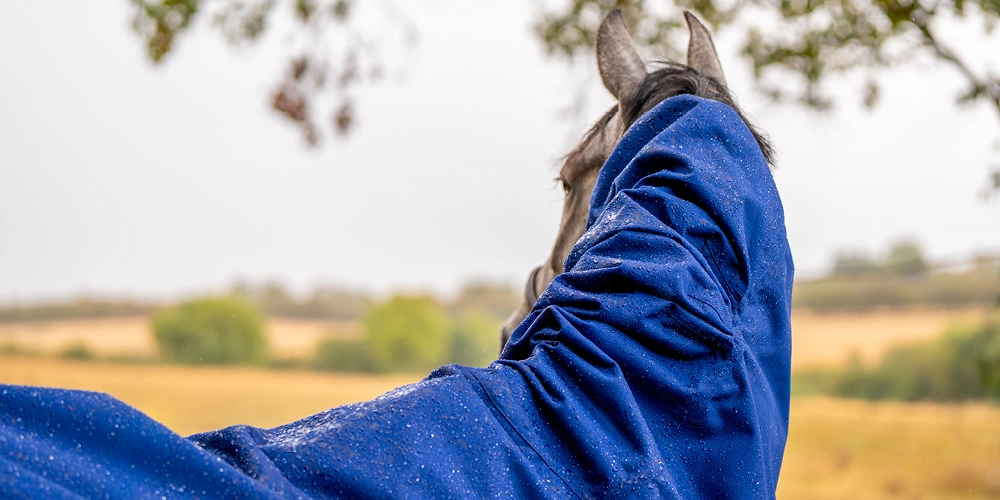
The Fieldmasta's award-winning dome neck features a series of darts that create a greater surface area of material over the top of the neck. This allows the fabric to stand off the mane rather than press directly onto it, and enables air to circulate around the hair follicles — which matters because follicles starved of oxygen weaken and fall out.
The neck is also articulated rather than static, moving with the horse rather than restricting it. Memory foam sections at the wither relieve pressure, and the tri-vent shoulder gusset articulates with movement to prevent friction at the shoulder.
Don't just take our word for it — read our thousands of five-star reviews from owners who've seen the difference first-hand.
How do I wash and reproof my horse rug?
Hand wash at a cool temperature using a non-biological soap. Never tumble dry — always dry naturally, away from direct heat. Avoid pressure washers at all costs as high-pressure water breaks down the waterproof membrane.
Over time the DWR (durable water repellent) coating will begin to lose effectiveness. You'll notice this when water stops beading on the surface — known as wetting out. At this point, a reproofing spray designed for equestrian rugs will help restore the coating and extend the life of the rug.
If your rug needs a thorough clean, a professional rug cleaning service is the safest option — worth considering at the start and end of each season.
How do I know if my horse's rug fits correctly?
A well-fitting rug should be barely noticeable to your horse — no pulling, no rubbing, no slipping. At the chest you should be able to slip a flat hand down the front. If you can't, the rug is too tight. If there's excess fabric bunching, it's too big.
At the withers, the rug should sit just in front without pressing down on them. Along the body, belly surcingles should allow roughly a hand's width between the strap and your horse's belly. At the rear, the rug should reach the top of the tail.
The Masta range has been designed to fit the full spectrum of horses. The Fieldmasta suits most breeds with its adjustable chest and articulated fit. The Ventomasta has been developed with a specially designed pattern to fit a variety of shapes and sizes. For larger-framed horses, the Turnoutmasta offers a generous extra-deep cut with a vented XL shoulder gusset.
Check the fit regularly — a rug that fit perfectly in October may not fit the same horse in January as weight and muscle condition change through winter.
My horse is wet under their rug — has it stopped being waterproof?
Not necessarily. In most cases the moisture is coming from the inside, not the outside. Horses generate body heat and moisture constantly — if that can't escape through the breathable membrane, it condenses on the inside of the fabric.
Condensation creates an even, light, warm dampness across the back and body. A genuine leak usually shows as concentrated cold, wet patches — often along seam lines, at the withers, or around the neck opening.
To test: lay the rug flat, pour a small amount of water onto the outer fabric and leave for 20 minutes. If water passes through, the waterproofing has degraded. If the outer still beads water, condensation is the most likely cause. At that point a reproofing spray will restore the DWR finish. All Masta turnout rugs are hydrostatic head tested to 5,000mm — well above the British Standard minimum of 1,500mm.