


Introduction
As we head into 2026, a remarkable shift is happening across the UK. After years of screen-dominated routines, Brits are planning to swap pixels for pathways, with over 70% considering taking up or restarting an outdoor hobby in the new year.
Our comprehensive survey of 2,000 UK adults reveals fascinating insights into what's driving this outdoor renaissance – and the activities set to define the year ahead.
The Big Picture: Britain's Outdoor Awakening
Key Findings at a Glance
- 74% of Brits plan to pursue outdoor hobbies in 2026 (compared to 26% who don't)
- Hiking and walking leads the way at 26% – that's over 500 people from our survey alone
- Horse riding comes second at 23%, showing strong growth potential
- 41% are motivated by mental wellbeing – the highest driver alongside physical fitness
- 11% specifically want to spend time with animals as part of their hobby
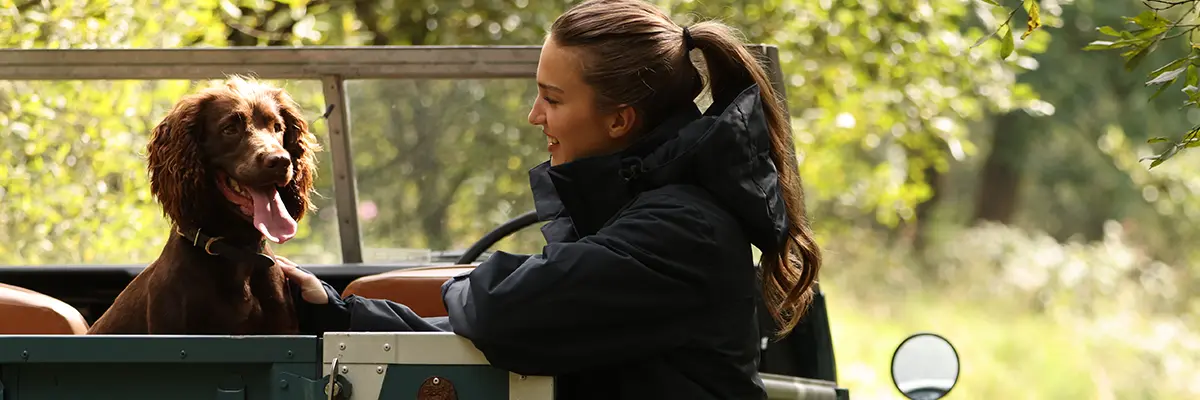
The Top 10 Outdoor Hobbies Brits Want to Try in 2026
Based on our survey data, here's what the nation is planning:
1. Hiking and Walking (26%)
The clear winner, with over a quarter of respondents planning to lace up their boots more often in 2026. Currently, 42% already participate in walking activities, making it both the most accessible and most desired outdoor pursuit.
Why it's trending: Low barrier to entry, flexible timing, and proven mental health benefits make hiking the perfect gateway to outdoor living.
2. Gardening (21%)
From container gardens to allotments, 21% of Brits want to get their hands dirty in 2026. Currently, 41% already garden, showing this is an established favourite with room to grow.
Regional insight: Particularly popular in suburban and rural areas where outdoor space is more accessible.
3. Photography (16%)
Visual storytelling in nature appeals to 16% of survey respondents, with Scotland leading the charge at 28% – likely inspired by dramatic Highland landscapes.
Why it's trending: Combines creativity, technology, and outdoor exploration. Perfect for those who want a creative outlet with fresh air.
4. Running and Jogging (16%)
Tied with photography, running remains a stalwart choice for those seeking cardiovascular fitness alongside outdoor time.
5. Cycling and Biking (14%)
Northern Ireland showed particular enthusiasm, with 33% keen to cycle more. Currently, only 18% participate regularly, suggesting significant growth potential.
6. Stargazing (12%)
A surprise entry showing growing interest in connecting with nature after dark. The recent focus on reducing light pollution may be driving this trend.
7. Birdwatching (11%)
From garden feeders to RSPB reserves, 11% want to explore avian appreciation in 2026.
8. Team Sports (10%)
Football, rugby, and other group activities appeal to those seeking both fitness and social connection.
9-10. Horse Riding and Camping (Both 10%)
Both tied at 10%, these activities represent different facets of the outdoor experience – one focused on animal connection, the other on immersive wilderness stays.
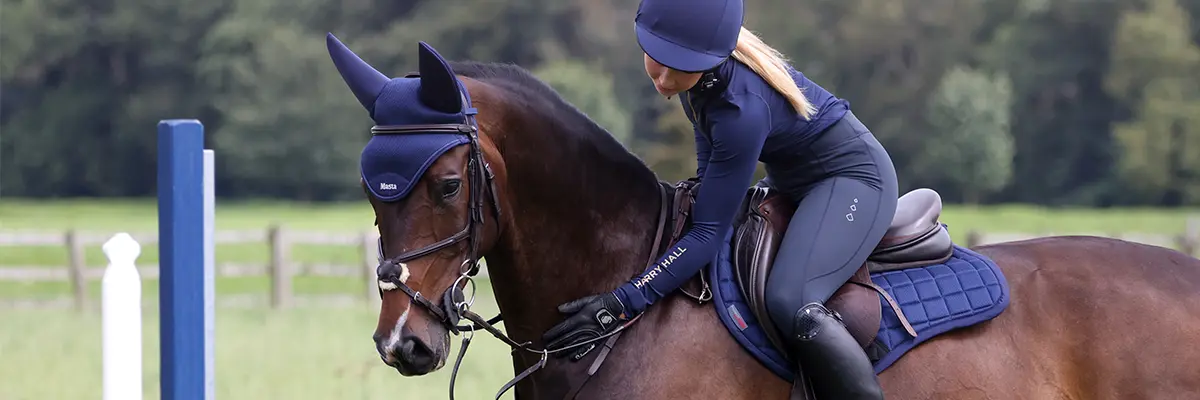
The Horse Riding Renaissance: A Closer Look
Horse riding's second-place ranking at 23% interest (in initial questions about outdoor hobbies) represents something significant. Here's what the data tells us:
The Returners: 13% of respondents used to ride and would consider returning – that's 258 people from our 2,000-person survey, suggesting thousands nationally.
The Curious: 10% have always wanted to try horse riding but haven't yet taken the plunge. Another 10% haven't considered it before but are now interested.
The Planners: 6% specifically plan to try horse riding in 2026, while 8% are interested in horse riding holidays or treks.
Who's Most Interested in Horse Riding?
The data reveals fascinating demographic patterns:
- 25-34 year olds show the strongest interest, with almost a quarter saying horse riding is the animal-related hobby they'd most like to try
- London stands out regionally, with 21% of Londoners interested in horse riding – despite urban surroundings
- Parents are considering it for their children, with 6% planning to take kids to lessons in 2026
Liz Hopper, Managing Director at HarryHall.com comments:
“It’s really encouraging to see so many people planning to spend more time outdoors in 2026, particularly with activities that support both physical and mental wellbeing. Horse riding offers a unique combination of fresh air, fitness and connection with animals, which helps explain why interest continues to grow. Whether people are returning to riding or considering it for the first time, it’s clear that lots of Brits are seeking meaningful ways to reconnect with nature and enjoy the benefits that outdoor hobbies can bring."
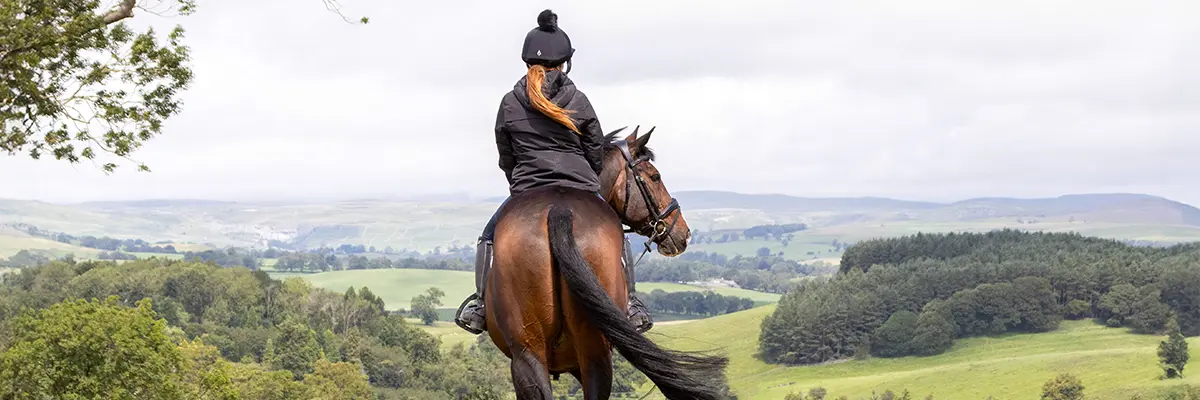
What Makes Horse Riding Unique?
After 134 years in the equestrian world, we've seen what genuinely keeps riders coming back – and it's more than just loving horses.
The Connection That Grounds You
Working with a horse demands complete presence. Your horse reads your tension, confidence, and mood instantly – there's no faking it with a flight animal. In our distraction-heavy world, that enforced focus is rare. You can't scroll while cantering or zone out during transitions. For that hour at the yard, it's just you, your horse, and the work. Everything else falls away.
Fitness as a Byproduct, Not the Goal
Riding builds genuine core strength, balance, and cardiovascular fitness without the gym mentality. You're concentrating on position, rhythm, and your next aid – not counting reps or watching a timer. Trotting work raises your heart rate. Holding position strengthens your core. Managing a spook tests your balance. But because you're focused on riding rather than "getting a workout," it never feels like exercise you have to force yourself through.
The Mental Reset
The combination does something other activities don't quite replicate. Intense focus on your horse, rhythmic movement, being outdoors – it adds up to a mental shift that riders consistently describe the same way: arriving at the yard stressed, leaving having thought about nothing but horses. Your nervous system resets whether you planned for it to or not.
Riding also adapts. It meets you where you are physically, works around limitations, and keeps people active across a massive age range. For many riders, it's their only consistent physical activity – precisely because it doesn't feel like obligation.
Getting Started with Horse Riding
With 23% of survey respondents interested in horse riding, and 13% saying they used to ride and would consider returning, it's clear this traditional British pursuit is experiencing renewed appeal. Whether you're a complete beginner or returning after years away, getting started is more accessible than you might think.
Look for schools with qualified instructors (ABRS-certified), well-cared-for horses, and proper safety standards. Resources to help you find reputable riding schools include:
- Association of British Riding Schools (ABRS) – Independent schools with qualified instructors
- Riding for the Disabled Association – If you have disabilities or health conditions
- Your local authority – Many councils maintain lists of registered riding establishments
- Local recommendations from equestrian retailers and community boards
For many beginners, confidence comes from feeling prepared before that first lesson. Simple things like understanding what riders typically wear, the type of equipment used during lessons, and how horses are cared for can help remove uncertainty and make the experience feel far more approachable. Researching beginner riding clothing, essential riding equipment and horse care basics can help new riders understand what to expect before stepping into the saddle
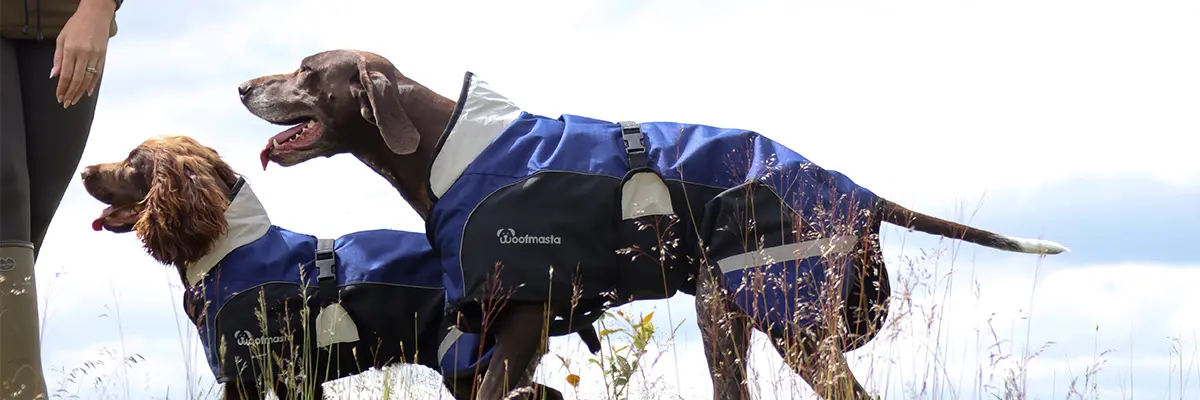
Animal-Related Hobbies: Beyond Horse Riding
The Full Picture
When we asked specifically about animal-related hobbies, here's how preferences ranked:
- Wildlife photography – 15% (307 respondents)
- Horse riding – 12% (248 respondents)
- Dog agility or obedience – 12% (249 respondents)
- Bird watching – 12% (241 respondents)
- Fishing – 8% (157 respondents)
- Beekeeping – 6% (124 respondents)
Our connection with animals
The data shows 11% of all respondents specifically cite "spending time with animals" as a primary motivation for outdoor hobbies. Dr Baird explains:
"Activities involving animals can be particularly powerful as they encourage being in the present moment and building genuine connections with animals and the natural environment, which in turn reduces stress and creates a feeling of fulfilment."
This "animal advantage" explains why activities like horse riding, dog training, and wildlife watching score so highly – they combine outdoor benefits with the proven therapeutic effects of animal interaction.
The Psychology Behind the Outdoor Boom
What's Really Driving This Trend?
Dr Harriet Baird, Social Psychologist at the University of Sheffield, provided expert context for our findings:
"These findings reflect a growing desire among adults in the UK to balance their lives with nature and explore activities that support their mental and physical wellbeing. More than 60% of adults set goals at the start of the year, often aiming to take up a new hobby or develop a new skill, and outdoor activities can be an ideal way to achieve this."
The Top Motivations
Our survey asked respondents to select up to three motivations. Here's what matters most:
- Physical fitness – 46% (810 respondents)
- Spending time outdoors/in nature – 43% (766 respondents)
- Mental wellbeing – 41% (714 respondents)
- Reducing stress – 34% (596 respondents)
- Socialising/making friends – 15% (257 respondents)
The close clustering of the top three (all 41- 46%) suggests these aren't separate motivations but interconnected benefits people seek from outdoor activities.
The Screen-Fatigue Factor
Dr Baird notes: "Hobbies in the outdoors provide a sense of purpose, restoration and relaxation that many people find missing from screen-heavy routines."
With the average UK adult spending over 4 hours daily on their phone (not including work screen time), the desire for "digital detox" activities is clear. Outdoor hobbies offer:
- Forced presence – difficult to scroll while hiking, riding, or gardening
- Natural rewards – sunset views, wildlife encounters, physical accomplishment
- Tangible progress – unlike digital achievements, outdoor skills build lasting capability
Regional Variations: How Different Areas of the UK Are Planning 2026
The Regional Breakdown
Our survey revealed distinct regional preferences:
Yorkshire and the Humber – Leads for hiking/walking at 32%, staying true to the region's moorland and dales heritage.
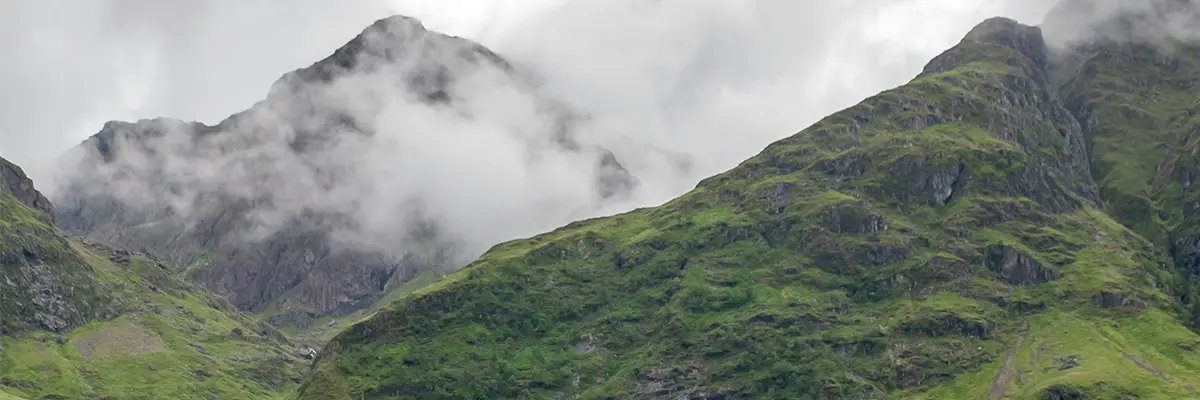
Scotland – Photography dominates at 28%, likely inspired by dramatic landscapes from the Cairngorms to the Hebrides.
Northern Ireland – Cycling/biking peaks at 33%, suggesting strong cycling infrastructure or community interest.
London – Surprisingly high horse riding interest at 21%, despite urban environment.
East Midlands, North East, South East – Consistently favour hiking/walking, reflecting varied terrain from the Peak District to the South Downs.
The Starting Point
Dr Baird's final advice applies to any outdoor hobby you're considering:
"The key to successfully keeping these new hobbies is to make goals specific and realistic, starting small and tracking progress."
Three Questions to Ask Yourself
1. What outdoor activity would make me genuinely excited for weekends? Not what you think you "should" do – what actually sounds appealing?
2. What barrier is most likely to stop me? Time? Cost? Knowledge? Fitness? Social anxiety? Address it proactively before it derails you.
3. Who could I involve for support and accountability? Partner? Friend? Online community? Local group?
Conclusion: From Screens to Scenery in 2026
The data is clear: Brits are ready to reclaim their relationship with the outdoors. Whether it's hiking Yorkshire's moors, learning to ride in Surrey, photographing Scottish Highlands, or growing vegetables in a back garden, 2026 promises to be a year when nature-based hobbies move from aspiration to reality.
With hiking, horse riding, gardening, and photography leading the way, there's never been a better time to trade screen glow for natural light, digital connection for animal companionship, and virtual achievements for muddy boots and authentic experiences.
*This research was conducted by OnePoll in December 2025, surveying 2,000 UK adults aged 18+ across all regions. The study was commissioned by Harry Hall to understand outdoor hobby trends and preferences heading into 2026.